Wednesday, October 14, 2026

A Day in Her Life


After my maternal grandmother passed away, I heard my mother say to a family member, “It is a blessing that we lived during her lifetime.” I have heard people say this when enlightened and beautiful souls leave the earth. What makes a person so special that their very presence becomes a blessing to those around them? That must probably make you curious to know about my grandmother, Smt. Thirumulu Natarajan, how she lived, won the hearts of people, and navigated the vicissitudes of life with righteousness and confidence.

Let me take you through a day in her life.

She was awake before the birds, and the first thing she did was light the lamps at the altar and at the entrance of the house. After brewing the first decoction and having her first cup of coffee, she sat down to cut vegetables for that day's lunch. Every piece was cut to the same size, with a precision that even a machine could not match. The murukkus she made were tasty, flavourful and remarkably uniform in shape. The clothes she had washed by hand hung on the line without a single wrinkle, a quiet showcase of her neat and meticulous nature.


It was beautiful to watch her get ready for the day. She held her hair in place with two hairpins. She applied sandalwood talc to her face, then a dab of wax the size of a 25-paisa coin on her forehead, and finished with kumkum. She was always dressed in a nine-yard saree, and her diamond earrings and nose stud added to her radiance. She looked like Vanadurga herself, walking among us. Her attire and disciplined lifestyle never changed even during her visit to the US.

Before stepping into the kitchen, she removed the old flowers from the altar and set them aside for composting. Nothing was wasted. She also read the panchangam for the day, noting the thithi, nakshatram, varam, karanam and yogam. While her hands were busy cooking lunch, her lips recited shlokas like a tape recorder. Her hospitality was as addictive as her coffee. She made half a dozen cups of coffee for the maid and other regular visitors. People visiting the local Vanadurga temple at Kadiramangalam made it a point to stop by for her coffee, her snacks and, above all, her conversation.

By 8 am, lunch would be ready. She would perform pooja to the Thulasi, offer neivedhyam to the house deity and then feed the crows. Only after completing these rituals would she head to the Vanadurga temple, carrying some ghee for the lamps and a few flowers. Along the way, she struck up conversations effortlessly with vendors, priests and visitors alike. She asked after their families and offered help wherever she could. To her, people were never strangers for long.

While she waited for my grandfather to come home for lunch, she journaled everything that had unfolded since morning. Besides her daily routine, she recorded important news from the immediate family, relatives and acquaintances. She maintained these journals for 65 years. Think about that for a moment. Sixty-five years of recording the little and big events of life, day after day. Relatives, friends and neighbours often came to her to trace the dates of deaths, childbirths, anniversaries and other important events. Her journals had become a living family archive, preserving memories that would otherwise have faded with time.

Once lunch was over, she washed the small dishes in the kitchen next to the well and left the larger ones for the maid, who came in the afternoon. By 11.30 am, the daily Thamizh newspaper would arrive, and she would spend 45 minutes going through the news and solving the crossword puzzle. She was deeply rooted in tradition, but she never stopped engaging with the world around her.

If she was tired, she took a 30-minute nap. If not, she used the time to write letters to us and to her relatives. When that was done, she recited the Durga Saptashati. Shankara TV and TTD were her favourite channels, and she did namaskaram to Kanchi Mahaperiava whenever he appeared on television. Her day moved seamlessly between family, the world and her spiritual pursuits.

By 1 pm, she would prepare snacks to go with the evening coffee, depending on what was available at home: thattai, murukku, mysorepak, rava laddu, coconut burfi or therattipaal. She never consumed anything from outside. Nothing processed, nothing store-bought. The turmeric, the sambar powder, the idli and dosa batter, everything was sun-dried, prepared and ground at home. Quality was never compromised, and self-reliance was a way of life.

She never sat idle for even a minute. No scrolling, unlike our generation! Every minute went into something useful: planning for the next day, tidying up, preparing something for the family or helping someone. She did not need productivity apps or time-management techniques. She had a rhythm to her life, and every activity had its place.

Around 4 pm, when the maid swept the entrance, she would draw a fresh kolam and feed the street dogs rice mixed with milk. Then she would freshen up, change into a six-yard saree and step out to chat with the neighbours, often visiting them with freshly made snacks. Her day was not confined to the four walls of her home. She made time for people, and people made time for her.

By 5.30 pm, she lit the lamps at the entrance and the pooja altar and cleaned up the kitchen. My grandparents had dinner by 6.30 pm, which is exactly what gut specialists advise today. After dinner, she updated her journal for the day and retired by 8 pm. At night, she always kept a Big Ben timepiece and a small torch beside her.

This was a regular day in her life. Imagine what happened on a festival day or when there was a function at home. She woke up even earlier and worked non-stop. For over 40 years, she hosted grand Navarathri celebrations, with more than 40 pandits having lunch at home during those nine days. Apart from this, she observed all the vrathams, including Chaturthi, Rishipanchami and Umamaheshwara Vratham, that were part of the scriptural traditions she followed. Her devotion was not confined to a few auspicious days or convenient moments. It was woven into the fabric of her everyday life.

Despite the hardships she faced in life, she never wavered from the path of dharma. She practised bhoota yagnam (care for other living beings), deva yagnam (reverence and offerings to the divine), pitru yagnam (gratitude and duties towards one's ancestors.) and manushya yagnam (Hospitality, generosity and service towards fellow human beings), all with devotion and love. Her faith was expressed not just through prayers and rituals, but also through the food she shared, the animals she fed, the people she helped and the relationships she nurtured. This spirit of hospitality and care continued even when she visited me in the US. My grandfather was a pillar of support to her in all her endeavours.

The Bhagavad Gita beautifully captures the spirit of such a life in Chapter 3, Verse 19:

तस्मादसक्तः सततं कार्यं कर्म समाचर।

असक्तो ह्याचरन्कर्म परमाप्नोति पूरुषः॥

Tasmād asaktaḥ satataṁ kāryaṁ karma samācara,

Asakto hy ācaran karma param āpnoti pūruṣaḥ.

“Therefore, without attachment, always perform the work that ought to be done. By performing action without attachment, one attains the Supreme.”

My grandmother may never have described her life in these terms, but she lived the essence of this teaching. She performed her duties consistently, without seeking recognition or applause. Whether she was cooking, praying, maintaining her journals, feeding animals or helping a neighbour, she brought the same sincerity to everything she did.

Living a clean and transparent life kept her healthy in body and mind till the end. But what made her truly remarkable was not simply her discipline, longevity or devotion. It was the way she brought all these qualities together with compassion, generosity and an extraordinary ability to connect with people across generations, cultures and communities. She forgave people then and there and never carried ill feelings towards anyone. There was no room for grudges in her heart.

She continues to be an inspiration to many of us. Even after she has left us, the routines she followed, the values she upheld and the relationships she built remain lessons worth remembering.

Looking back, I realise that a meaningful life need not be built around extraordinary achievements or grand gestures. Sometimes, it is built quietly, one day at a time, through the way we treat people, the responsibilities we honour, the traditions we preserve and the kindness we extend to those who cross our path.

We often look to the lives of realised souls to understand how to live and how to make our lives meaningful and purposeful, not just for ourselves but for others too. Perhaps their greatest lessons are not found in extraordinary moments, but in the everyday choices they make and the values they practise consistently.

Perhaps that is why my mother's words have stayed with me: “It is a blessing that we lived during her lifetime.”

And perhaps the greater question is this: Will the people who live during our lifetime feel the same way about us?

As you reflect on your own life, think of someone whose presence has made your world a better place. What did they teach you through their everyday actions? And what is one value or practice you can carry forward in your own life?

If this story reminds you of someone special, share it with your family and friends. Tell their stories while they can still be heard, preserve the memories that matter, and pass on the values that deserve to live beyond us.

That, perhaps, is one of the most meaningful ways to keep a beautiful life alive.


Saturday, September 26, 2026

A Life of Love, Service, and Devotion


From children to elders, and from strangers to friends and family members, everyone has stories and anecdotes to share about my maternal grandmother, Smt. Thirumulu Natarajan.

Her nephew and my uncle, Dr. B. S. Sankararaman, said in his message of grief, “The embodiment of humanity and compassion is no more. The clock of boundless energy has stopped. The hands that fed thousands upon thousands of relatives, guests, and workers finally rest.”

My friend Anitha, who visited her on weekends and took her for car rides when we were away, said, “I never saw my maternal grandmother, and Paati filled that void for me in many ways, from ensuring I had my meals to oiling and plaiting my hair and putting flowers in it.”

Paati’s love for cooking, feeding, and caring for people became her life’s purpose. The endless cups of coffee, morsels of rice, plates of murukku, and dabbas of Therattipaal, Mysorepak, and rava laddu that she served to relatives and strangers, always with love, earned her a special place in their hearts.

She would be the first guest to arrive at a wedding or family function and the last to leave. Within seconds, she became part of the host family, made herself useful in many ways, and left an indelible mark on their hearts.

It would not be an overstatement to say that she was more active than a bee. Discipline was her hallmark. She would retire to bed by 8:00 p.m. and wake up at 3:30 a.m.; her routine was impeccable. In fact, she journaled for 65 years, and many relatives would call her to check the dates of important events such as childbirths, marriages, and the passing of loved ones. Her record of life and its events was remarkably accurate and meaningful.

Wherever she went, she won the hearts and admiration of people. She visited me in the U.S. in 1999 and stayed for three months. She visited her cousin in Orlando and went with her to Disneyland and enjoyed the rides like a teenager.

She respected all religions and treated everyone with warmth and love. That Navratri, she kept a small golu in my living room and, with the same fervor, decorated the Christmas tree after Thanksgiving. She made friends with squirrels and elderly women in the apartment complex despite not speaking fluent English. As a gesture of gratitude for her friendship, the elderly women hosted a lunch party before she left for India. A few of them kept in touch with her through emails and letters.

As we go about our lives, there is so much to learn from her playbook of life. Her zest for life and people always stood out.

Everything about her was admirable: the way she dressed, carried herself with dignity, reached out to people, and served as an exemplar in every facet of life. She was practical and benevolent. She never kept anything for herself and became a benchmark for affability, hospitality, generosity, thoughtfulness, and compassion.

She was an amazing planner, though life did not unfold according to her plans. It was filled with hardships, yet they never made her waver in her faith in the Almighty, her commitment to the path of righteousness, or her compassion for fellow humans. She was never cynical.

For her 65th birthday, we visited famous temples in Karnataka - Udupi, Kollur Mookambika, Kukke Subramanya, and Nanjangud - and received the blessings of the saints of Sringeri and Kanchi. Her devotion to Vittala was supreme, and I remember taking her to Pandharpur for her 75th birthday.

We had the blessing of serving her during her last six years in Chennai. At the ripe age of 89, she breathed her last at 7:00 a.m. on September 25, 2026 - Anantha Chaturdashi - and reached the lotus feet of Vittala. Anantha chaturdasi marks the hallmark of the noble souls merger into eternity.

Wednesday, September 16, 2026

Between Covers, Bricks, and Seats

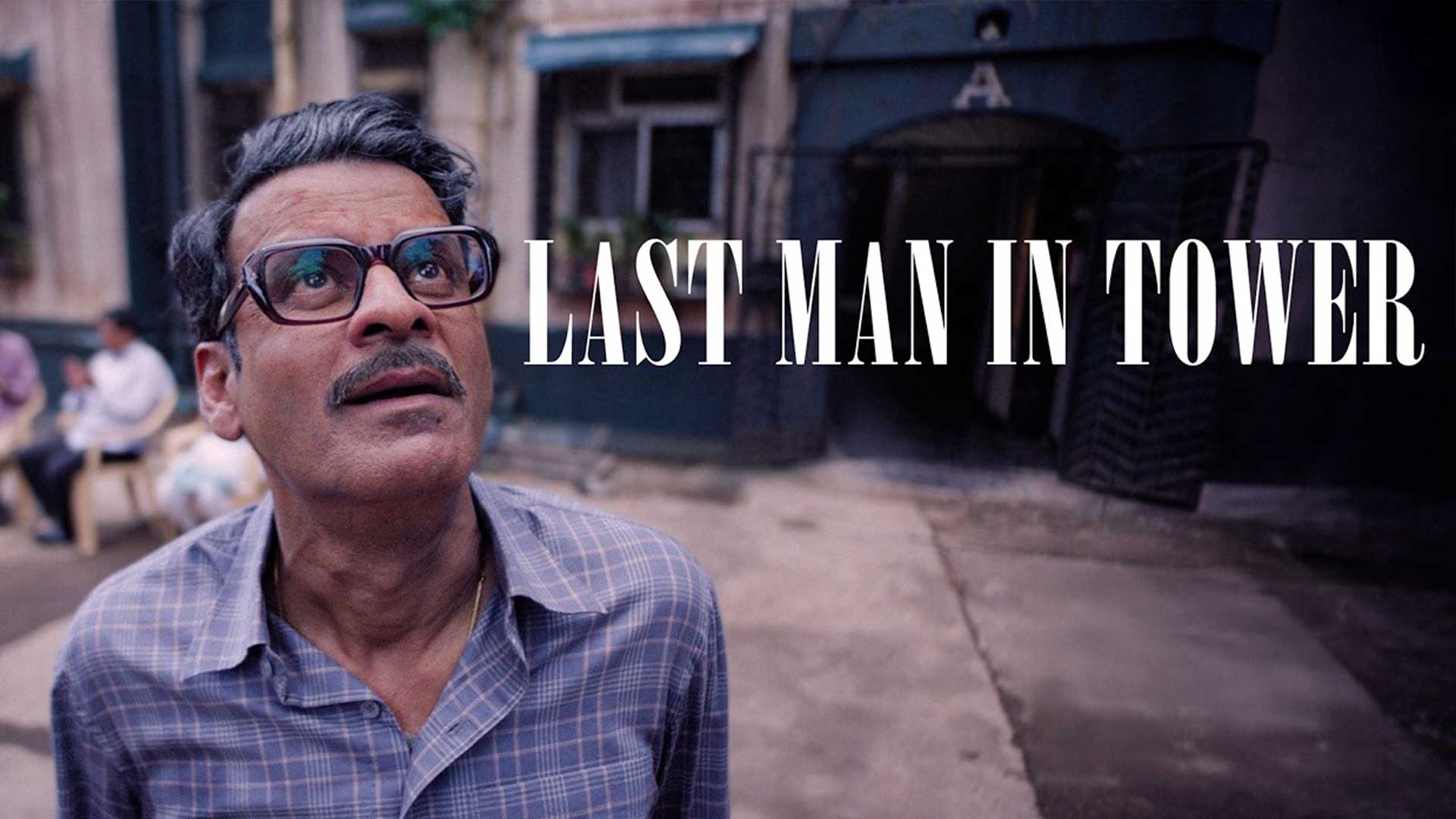
 Last Man in Tower (2026) - Cast, Reviews & Showtimes

There is a quiet joy in catching a movie in the cinema before reading the book or scrolling through critic reviews. It lets you form your own firsthand interpretation, untouched by anyone else's bias. I never judge a book by its cover, a home by its appearance, a family by its behavior, or a movie by the crowd it draws. There are so many untold stories tucked between covers, bricks, people, and empty seats.

On a weekday noon, I found myself hurrying to the movie hall to catch Last Man in Tower. A week after its release, it had already begun to fade from the screens. Two shows each across four halls in its first week had shrunk to three shows across three halls by the second. When I settled in, there were hardly eight people in the theatre with me. So, don't judge the empty seats.

Last Man in Tower is a film adaptation of Arvind Adiga's 2011 novel, and its story unfolds like a slow ache. It follows the struggle between a builder and the residents of a housing society in Mumbai, a struggle that is really a mirror held up to greed, desire, memory, values, and ethics. What struck me most was how every character believed themselves justified. No one saw themselves as the villain of their own story. That, perhaps, is the quiet complexity of human nature.

These struggles are not new. They echo through generations, playing out between parents and children, between siblings, and between cousins who once shared the same courtyard. Families have sold ancestral homes, divided shares among themselves, and moved away in search of greener pastures and newer dreams. Behind every house that was sold, every wall that was demolished, and every home turned into apartments and later redeveloped to hold more people than it ever intended to, there is a story that no one ever tells.

If you listen closely to these stories, you will find the same threads running through many of our families: greed, desire, dreams, and memory.

In our own lives too, we are often confronted by the greed of others, pulled into their moral compass, made to act against our own instincts while we quietly justify ourselves and play the victim of circumstance and choice. And maybe that is the truest, saddest truth of all. Perhaps many of our dreams are meant to be shattered and memories erased before they become fossilized.

But some things resist erasure. The songs and the cast of Last Man in Tower will remain in my heart forever, tucked away like all those untold stories between covers, bricks, people, and empty seats.

Wednesday, April 2, 2025

A Charioteer’s Grace

(This is not an April Fool’s Day Joke)

Life unfolds in moments—some ordinary, some extraordinary, and then there are those where the divine reveals itself unmistakably. What happened to us on that highway was nothing short of a miracle.

We were driving as usual when, without warning, a bus veered into our lane. In an instant, we swerved sharply to the left, the tires losing grip. The car spun out of control, plunged into a ditch, and began to cartwheel. Once, twice, three times—glass shattering, metal twisting, the world spinning violently around us.


And then—stillness.

Shaken but conscious, upon coming to an halt, my brother and I checked on each other. The front doors were jammed, the windshield and rear glass lay in pieces, shards embedded in my brother’s face and hands. But we were alive. That alone felt unreal.

We were trapped until kind strangers stopped to help, forcing the doors open. And just like that, we stepped out—battered, but remarkably intact. Bruises and the seatbelt’s imprint across our bodies were the only marks of what should have been a catastrophic crash. It felt as though something unseen had cushioned the impact, shielding us from devastation.

As soon as I got out of the car, I reached for Tiruchendur Viboothi in my bag and smeared it on our foreheads.

At the hospital, doctors checked our vitals and conducted multiple scans for internal injuries. The airbags hadn’t even deployed, yet we had walked away from a wreck that should have left us broken. The doctors, staring at our scans, were baffled. Apart from soreness and minor wounds, we were unscathed. Their disbelief mirrored our own.

And then, the realization struck with overwhelming clarity—something greater had protected us. The Almighty had been our unseen airbag.

A shiver ran through me. Was this mere coincidence, or had we just witnessed the divine hand at work?

On the way home from the hospital, I checked the laptop bag that had been with me through the crash. Inside were two things: the Bhagavad Gita and an image of Krishna guiding Arjuna’s chariot. (I finished writing the 18th chapter of Gita  the day before). At the very moment the accident occurred, the Purusha Sooktham had been playing in the car.


I now know the answer in my heart. We had been held, shielded, and guided—just as Krishna had guided Arjuna through battle.

Sometimes you live to tell the tale. Today, my heart overflows with gratitude—not just for our lives, but for the undeniable reminder that when all seems lost, He is there, always.

The Unsung Hero of My Gut


This morning, I found myself on the porcelain throne, bracing for an unforgettable moment. It wasn’t just another visit—it was a full-fledged labor. The contractions came in waves, and I knew this one had been growing inside me for days, nurtured in the depths of my being. Some gestations last ten months, and we honor those with great reverence. But some, like this, last just a few excruciating days and deserve equal respect.

I sat there, caught in a whirlwind of emotions—elation, anticipation, and a touch of anxiety. Would this be a smooth delivery? Would I need assistance or epidural? Would I walk out of this bathroom a changed person?

Then, I remembered a famous Tamil movie dialogue that mocks a person:

“Did your mother give birth to you, or just eject you?”

There was no doubt—this one belonged to the latter category. It had been raised, nourished, and now, it was time for its grand exit. There was no need to pick up or name this one.

The moment arrived. A deep breath. A final push. And then… relief.

No gun salute was necessary, but I stood up out of sheer respect. With a triumphant smile, I bid farewell to my long-gestating creation.

Should this delivery be celebrated? Perhaps not with cake, but with a moment of silent gratitude—for the body, for the process, and for the simple joys of a successful conclusion.

Epilogue: I walked out of the bathroom feeling ten pounds lighter, with a renewed appreciation for life’s simplest victories.

Thursday, September 19, 2024

Voyages of the self

We have to travel alone and outward to go within in and find our peace spot. This is my first solo trip in eight years and if you think it must have been tough to go solo, you’re mistaken. I was always alone in all my relationships, so there was no switch. 

When you travel to a place without a check list or not popularised by Insta reels, you have the opportunity to look at it with a fresh pair of eyes. Moreover, you’re not pressured to recreate a picture perfect vacation selfie or Instagram Reel.

Furthermore, when you’re not time bound and not hounded by office calls and emails or the thought of going back to work, it feels more special and peaceful.

While I booked my onward journey, I wasn’t sure where I wanted to go, which made it all the more special and exciting. I went back to the same place for the 5th time and this is where my mind, body and soul rejoices.


Having retired from an active corporate career, I was not time bound and I traveled by local buses to enjoy sights of beautiful villages nestled in the woods along the river and strike a conversation with the locals and understand their life and aspirations. 

Interestingly, on the train and bus trips, I met two teenage boys (age of my nephew) who weren’t distracted by their mobiles wanted to have a conversation with me on my career and life journey. This felt surreal! How I wish we had technology to swap lives. 

Just because I was on my vacation, I didn’t change my daily routine: exercising, meditating and eating healthy food.

While the sunrise is a bit later in the west coast, I rose at 5.30 am listening to the pitter patter of the rains, thanks to the monsoon season. With bare feet and an umbrella over my head, I headed to the beach for my morning walk.

The gregarious or drunken sea, however you want to look at it, had incurred the shore, nevertheless, I managed to a negotiated a small stretch for my walk while the waves continuously washed my feet reminding me that they own of this place. I came as a visitor and not with an intention to conquer or usurp.

I crossed several boats that returned with a fresh catch from the seas and watched busy humans removed the entangled fishes from the nets and sort them by sizes. Dogs and birds waited by their side like goons to get their share from the catch. 

I walked a kilometre towards the southern end of the beach and settled on a lichen covered rock. There was no urge to read the newspaper or check X for any updates, instead I caught a glimpse of the horizon, filled my lungs with fresh air and I closed my eyes for a dozen rounds Pranayama followed by meditation. 

Thirty minutes later, I fished for iPods in my bag and selected Illayaraja songs that matched the beats of the waves and moods of the sea. What a healthy dose of endorphins instead of adrenaline rushed mornings.

At around 9.30 am my stomach growled and I headed home after a quick stop by the market looking for a ripe papaya and bananas for breakfast. On the way, I noticed these leaves dancing and waving in joy. Not sure if anyone notice their spirited smile, but I stopped by them, gave a peck on their cheeks and carried home their positive energy.

After the breakfast, like an old man, I took a nap on the lazy chair rejoicing my freedom. When we slow down, we get to appreciate life and be grateful.

Around noon, I forced myself to shower, hand washed my clothes and put them out in the balmy sun before heading to a nearby restaurant for a healthy vegan meal. As I was in no hurry, I let the chef cook at his own pace. In exchange, I got my share of local news and updates from the staff. 

Finally, I returned home at 3 pm, filled my water bottle and walked back to check on my gregarious friend. Now, she had retracted her emotions and may be it was her turn to mediate or sober? 

Again, I perched on the lichen covered stone, admiring the tall coconut trees, starring at the calm sea and playing another set of melodies to match the mood and beats of the waves. In between, if I got bored, I befriended the local dogs and shared some of my nuts in exchange for tricks. If they were tired resting after playing lifeguards at night, I invited the local boys to join me for game for frisbee by the sea. If they turned down my invite, I got philosophical watching the vegetation, sober waves and activity on the shore and watching the farm to plate of priced catches form the sea.

Here is a sample : “Be hard as a rock but allow lichens grow on you. Don’t mistake kindness for symbiotic intelligence.”


I’m not an artist, but that doesn’t mean I don’t enjoy and appreciate artists and their creations. Nature is a Super artist and I patiently waited for twilight to set in and catch the magic in the sky that appeared with the rise of Moon and Venus. This happens like clockwork every evening, does someone turns on the dial every evening?

Feeling charged and grateful at the end of this sound and light show, I walked back home through the market reading the emotions on shopkeepers face to understand if their registers kept ringing or hibernating. As I retreat back into my den, I replay the images of the seashore in a loop before slipping another world. 

“There is only one day left, always starting over: it is given to us at dawn and taken away from us at dusk.” - Jean-Paul Sartre

I traveled hundreds of Kilometres in these 50 years to finally reach this spot within filled peace, calmness and gratitude. I realised, there are journeys within a journey and these reflections help me identify and navigate them slowly.

They say life begins at the end of your comfort zone…and sometimes I want my life to end at this comfort zone.

Remember, our lives are a solo trip, people join us for some portions of the journey but no one travels the entire journey with us. 

What does your journey look like? Do you have a comfort zone and a peace spot that you keep going back to?

Saturday, January 13, 2024

Srividya and Jayalalitha - Uncanny life resemblance

The two movie stars who I admired the most in Tamil film industry are Jayalalitha and Srividya. From boldness, beauty to being self made and trusting wrong people, both had many identical traits. While Jayalalitha was elder to Srividya by 5 years, both of them worked in the industry at the same time and acted in a dozen movies together. Sadly, they ended up living the life of characters they played on screen - Venniradai and Aboorvaragangal. 

Recently, I watched Srividya's brother's wife share the life journey and trials and tribulations faced by the actress and I realized not just people but their life stories  can bear uncanny resemblance. 


Here are some similarities I could spot
  1. Their mothers were artists and sole breadwinners of the family
  2. Both their fathers were irresponsible and lived off their wife
  3. These women learnt Barathanatyam at an early age and were also great singers and came into movies due to family situation
  4. They longed for love and care from parents who were too busy and unavailable 
  5. Both of them were introverts, artistic, bold, beautiful, and adamant 
  6. They had a sibling (brother) and a small circle of friends 
  7. Both longed for a simple family life with children
  8. They trusted the wrong men and got into relationships that brought them down
  9. Both of them were conscious about their weight and explored treatments for weight loss
  10. They built homes with their hard earned money that was usurped by someone they trusted
  11. The characters they played in Aboorva Ragangal and Venniradai ended up being their life story 
  12. Both of them disconnected with their families at some point and finally died as orphans  and were given State honors with a grand funeral
The popular belief about seven "doppelgangers" seems true and may be we could have 7 identical stories too? Let us explore the other 5...